















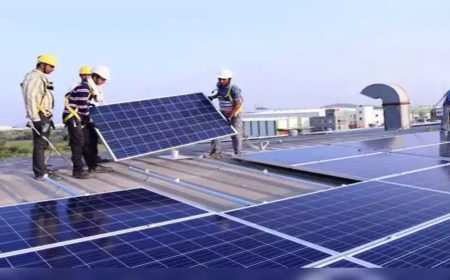

What to Know Before Installing a 3kW Solar Rooftop
Learn everything you need to know before installing a 3kW solar rooftop system—cost, benefits, setup tips, and savings for a smarter, greener home.


Switching to solar energy is one of the smartest choices homeowners can make todaynot only for the environment but also for reducing long-term electricity bills. Among the many solar options available, the 3kW solar rooftop system stands out as a popular choice for small to medium-sized households looking to adopt sustainable power without breaking the bank.
In this blog, well break down everything you need to know before installing a 3kW solar rooftopfrom system capacity and space requirements to cost, savings, and maintenance. Whether you're just starting your research or ready to make the switch, this guide will help you make an informed decision.
1. What is a 3kW Solar Rooftop System?
A 3kW solar rooftop system refers to a solar power setup with a generation capacity of 3 kilowatts. This system typically includes solar panels, an inverter, mounting structures, wiring, and a monitoring system. It's designed to harness sunlight and convert it into usable electricity for residential use.
On average, a 3kW solar system can generate 12 to 15 units of electricity per day, depending on factors like location, panel efficiency, and sunlight availability. This output is generally sufficient to power a small households daily needs, including lights, fans, a refrigerator, TV, washing machine, and even a small air conditioner.
2. Is a 3kW Solar Rooftop Right for You?
Before choosing a 3kW solar rooftop, you should assess your households electricity consumption. If your monthly usage falls between 300450 kWh (units), then a 3kW system can significantly offset or cover your energy needs.
Ideal candidates for 3kW systems include:
-
Small families or 2BHK apartments
-
Independent homes with modest energy usage
-
Home offices or shops with light to moderate power needs
If your electricity consumption is much higher, you may want to consider a larger capacity like 5kW or 10kW.
3. Roof Space and Orientation
A 3kW solar rooftop system typically requires 250 to 300 square feet of shadow-free roof space. The orientation and angle of your roof also play a crucial role in maximizing energy production.
Tips to optimize your setup:
-
South-facing roofs are ideal in the Northern Hemisphere.
-
Flat roofs offer flexibility in panel placement.
-
Avoid shaded areas caused by trees, buildings, or water tanks.
-
Ensure your roof structure is strong enough to bear the load.
Before installation, a site survey is essential to evaluate structural stability and orientation.
4. Components of a 3kW Solar Rooftop System
Understanding whats included in your system helps you assess quality and pricing.
Main components include:
-
Solar panels: Monocrystalline or polycrystalline modules
-
Inverter: Converts DC to AC; types include string or microinverters
-
Mounting structures: Racks that hold panels in place
-
Cables and wiring: Ensures safe and efficient power transfer
-
Monitoring system: Tracks performance and energy generation
-
Battery (optional): Stores excess power for backup or off-grid use
Always ensure that the system complies with quality certifications like MNRE (India), IEC, or BIS.
5. On-Grid vs. Off-Grid Systems
You can install your 3kW solar rooftop system in either an on-grid or off-grid configuration:
-
On-grid: Connected to the utility grid. Excess energy is sent back and credited via net metering. Ideal for areas with reliable grid supply.
-
Off-grid: Functions independently using battery storage. Best suited for remote areas with frequent power cuts.
-
Hybrid: Combines both options with battery backup for flexibility.
Most urban and semi-urban homeowners opt for on-grid systems due to government incentives and easier installation.
6. Cost of Installation
The cost of a 3kW solar rooftop system in India (as of 2025) generally ranges between ?1.5 lakhs to ?2.2 lakhs, depending on factors like brand, inverter type, installation quality, and location.
Breakdown of approximate costs:
-
Solar panels: ?90,000 to ?1,10,000
-
Inverter and wiring: ?30,000 to ?40,000
-
Mounting and structure: ?10,000 to ?20,000
-
Installation & labor: ?10,000 to ?20,000
Government subsidies (especially under state solar schemes) can bring down costs by up to 40%, making solar more affordable.
7. Savings and Return on Investment (ROI)
One of the biggest benefits of going solar is the reduction in electricity bills. A 3kW system can save up to ?2,500?4,000 per month, depending on your electricity tariff and usage.
Expected ROI:
-
Break-even period: 46 years
-
Lifespan: 25+ years for panels, 810 years for inverters
-
Maintenance cost: Minimal, mostly annual cleaning
With proper maintenance, your system can offer decades of free electricity after the initial payback period.
8. Government Subsidies and Incentives
The Indian government, through MNRE and various state agencies, offers subsidies for residential rooftop systems.
Key points:
-
Subsidies can range from 20% to 40% based on location and system size
-
Only empaneled vendors and approved products qualify
-
Application is typically submitted via the National Solar Rooftop Portal or state portals
Check with your local DISCOM (electricity provider) or solar installer to explore the latest subsidy options.
9. Installation and Vendor Selection
Choosing the right installer is crucial to ensure safety, efficiency, and long-term performance.
What to look for in a vendor:
-
MNRE-approved or empaneled with DISCOMs
-
Proven experience and customer reviews
-
Warranty support for panels and inverters
-
After-sales service and AMC (Annual Maintenance Contract)
Always ask for site evaluation, performance estimation reports, and a clear cost breakdown before signing any agreement.
10. Maintenance and Monitoring
Solar systems require minimal maintenance, but periodic checks are important to ensure optimal performance.
Basic maintenance includes:
-
Cleaning panels every 1530 days to remove dust
-
Checking wiring and inverter health
-
Monitoring energy production via apps or meters
-
Scheduling annual inspections with your installer
Many systems now come with mobile monitoring apps to keep you updated in real time.
Conclusion
A 3kW solar rooftop system is a practical, cost-effective solution for households aiming to reduce their carbon footprint and electricity expenses. With proper planning, the right installer, and access to government subsidies, you can enjoy years of clean and reliable energy.
Before you make the investment, assess your energy needs, check your roofs suitability, and compare vendors carefully. With the right approach, your 3kW solar rooftop can become a smart step toward a sustainable and self-reliant future.